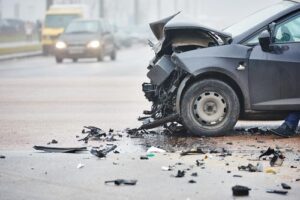


Some of the most dangerous intersections in Sandy Springs are typically the busiest crossings with heavy traffic, frequent turning movements, and limited time for drivers to react. If you are wondering which intersections are most dangerous in Sandy Springs, the answer often depends on congestion, speed, and driver error.
Intersections can become hazardous for many reasons, including confusing traffic patterns, red-light running, distracted driving, and poor visibility. In a busy community like Sandy Springs, crash risks may increase along major roads, commuting corridors, and intersections that connect local streets with highway access.
If you were hurt in a crash at one of these locations, we can help you understand your options. To learn more, talk to a Sandy Springs car accident lawyer today and schedule a free consultation.
Which Intersections in Sandy Springs Tend To Be the Most Dangerous?
The most dangerous intersections in Sandy Springs are usually the ones that carry large numbers of vehicles every day and force drivers to make quick decisions in tight spaces. Major roads, highway access points, and commercial corridors often see a higher risk of side-impact accidents, rear-end collisions, and other serious wrecks.
In many communities, intersections near shopping areas, office centers, and major commuter routes are especially dangerous because traffic volume stays high throughout the day.
When drivers are speeding, distracted, or trying to beat a light, even a normal intersection can become much more dangerous and lead to more car wrecks.
Get the strong arm
Why Are Busy Intersections More Likely To Cause Crashes?
Busy intersections put multiple traffic movements into one place at the same time. Drivers may be turning left, going straight, merging into traffic, or stopping suddenly, which increases the chance of mistakes, motor vehicle accidents, and collisions.
A crowded intersection also leaves less room for error. When traffic backs up through an intersection, drivers can become impatient and take risks that lead to crashes. Intersections near ramps, frontage roads, and heavily traveled retail areas may also involve more abrupt braking, last-second lane changes, and drivers trying to follow unfamiliar routes.
Common reasons busy intersections become dangerous include:
- Heavy traffic can reduce reaction time and make sudden stops more likely.
- Left-turn movements can place drivers directly in the path of oncoming traffic.
- Distracted drivers may miss changing lights or stopped vehicles.
- Speeding through yellow or red lights can cause severe T-bone crashes.
- Congested lanes can create confusion about who has the right of way.
What Types of Accidents Happen Most Often at Dangerous Intersections?
Intersection crashes often involve side-impact collisions, rear-end accidents, and left-turn crashes. These car accidents can happen in a matter of seconds, but they often lead to serious injuries because of the angle and force of impact.
T-bone accidents are especially dangerous because the side of a vehicle offers less protection than the front or rear. Rear-end crashes are also common when traffic stops suddenly or when one driver is not paying attention.
Other intersection wrecks may involve head-on collisions during unsafe turns, multi-vehicle pileups in congested traffic, or pedestrian and bicycle accidents when drivers fail to yield in a crosswalk. In many cases, these intersection accidents leave injured drivers dealing with painful recovery and expensive losses.
How Can You Stay Safer When Driving Through High-Risk Intersections?
The best way to protect yourself at a high-risk intersection is to slow down, stay focused, and expect the unexpected. Even if you have the right of way, another driver may ignore a signal or make an unsafe turn.
You can lower your risk by leaving extra following distance, scanning for red-light runners, and avoiding distractions like texting or adjusting your phone. It can also help to check blind spots before changing lanes, watch for vehicles turning across your path, and pause briefly before entering on a green light if traffic seems unpredictable.
Defensive driving is especially important at busy Sandy Springs intersections where congestion and rushed decisions can increase crash risks.
What Should You Do After a Crash at a Dangerous Intersection in Sandy Springs?
After an intersection accident, your priority should be safety and medical care. If possible, move to a safe location, call for emergency assistance, and get checked by a medical professional, even if your injuries do not seem serious right away.
If you are able, gather basic evidence at the scene. Useful steps may include:
- Take photos of the vehicles, traffic signals, lane markings, and surrounding area.
- Exchange contact and insurance information with the other driver.
- Speak with witnesses if they saw how the crash happened.
- Request a copy of the police report when it becomes available.
- Avoid making statements that could be interpreted as admitting fault.
If the crash happened near a traffic camera, business, or gas station, video footage may also help show how the accident occurred. Prompt medical records, scene photos, and witness statements can all become important if there is a dispute about liability or the extent of your injuries.
Contact Us About Dangerous Intersections in Sandy Springs
If you were injured in a wreck at one of the dangerous intersections in Sandy Springs, we can help you understand your legal options and what steps to take next. We can review the details of your accident, explain how fault may be evaluated, and discuss whether you may have a claim for compensation.
Founded in 1999, our firm follows the principle established by founder John Foy: treating clients with respect, open communication, and personalized care. We work on a contingency-fee basis, so you do not pay attorney fees unless we recover compensation for you.
Wondering which are the most dangerous intersections in Sandy Springs? Injured in an accident? You do not have to sort through the consequences of an intersection crash alone.
Contact John Foy & Associates today to talk with our team about your case and learn how we may be able to help you move forward.
(404) 400-4000 or complete a Free Case Evaluation form